How to tell swarmers from flying ants
Compare the antennae, waist and wings, then save a few wings.
Explore services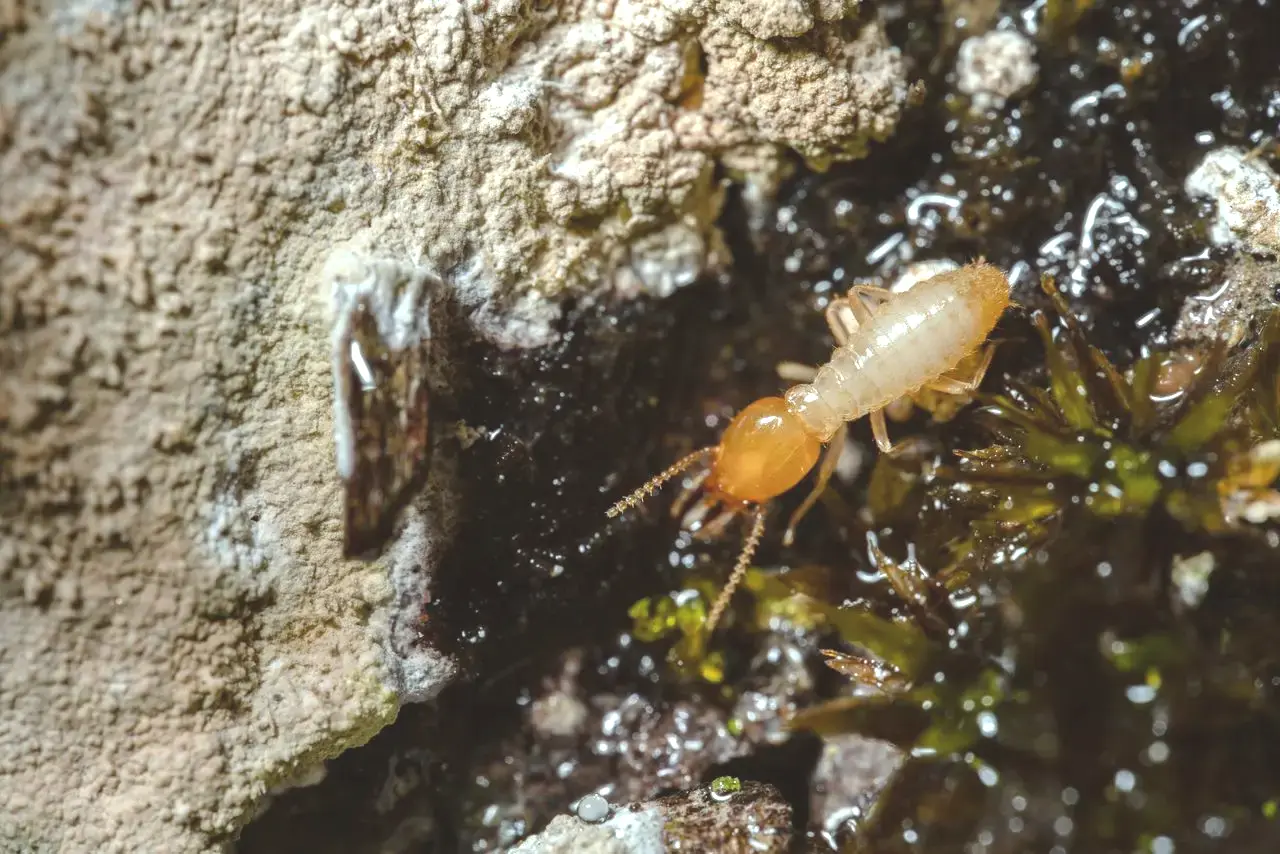
Termites can feed inside a house for years before the damage shows, and the right method depends on the species and how the home was built. For termite treatment in Palm Bay, FL, one call connects you with an independent local provider who can inspect the property and explain the options. The line serves 32905, 32907 and 32908, along with the Palm Bay part of 32909.
A single referral number for termite calls in Palm Bay.
The provider checks the home before naming a cost.
Calls reach providers that serve Palm Bay ZIPs.
Search the company in the FDACS AES portal.
Termite work in Palm Bay starts with an inspection, because the type of termite decides the method. A provider typically looks along the foundation and slab edges, inside the garage and attic, at any crawl space, and wherever wood touches soil or stays damp. Subterranean termites travel up from the soil through mud tubes, while drywood termites live inside the wood they eat. Ask the provider to show you the evidence before agreeing to treatment.
Subterranean termites are usually handled with a liquid soil treatment that leaves a treated zone around the foundation, or with bait stations placed around the home and checked over time. Limited drywood activity may call for a spot or localized treatment. Whole-structure tent fumigation is a separate job that this site does not cover. Ask the provider what will be applied near the home and how long to keep clear.

UF/IFAS notes that in Florida it is always termite season, because colonies keep chewing on wood all year. Formosan subterranean termites in Florida usually swarm from early April to late June, shortly after sunset, with a peak in May. Melbourne, the NWS station next to Palm Bay, has normal annual rainfall of 50.79 inches. Palm Bay homes have a median year built of 1993, and 20.3 percent of occupied homes are rented; tenants should report signs to the owner or manager in writing.
A termite inspection usually covers the foundation, the slab edges or crawl space, the garage, the attic, places where wood meets soil, and leaks or other moisture sources. You should come away knowing what was found, which kind of termite is involved and what the provider recommends. For a home sale, ask whether the provider issues the FDACS WDO report.
View service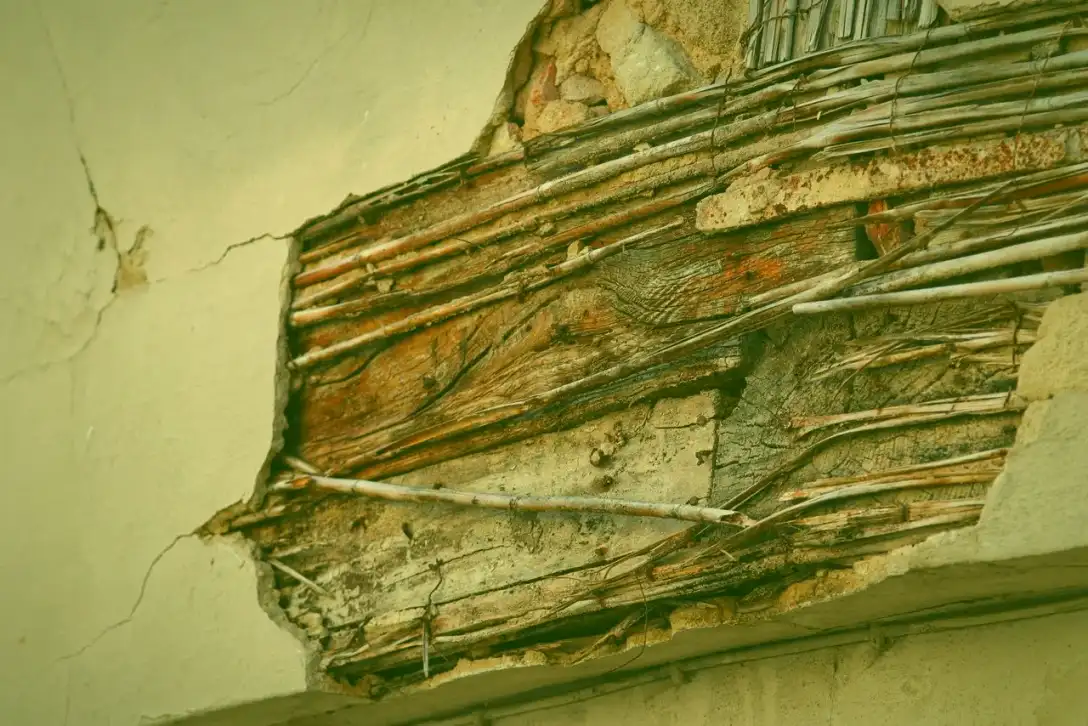
Drywood termites form small colonies inside a single piece of wood and need no contact with soil. UF/IFAS gives May to June as the flight season for the West Indian drywood termite in Florida. Small pellets below trim are a common clue. Tent fumigation is not offered through this site.
View service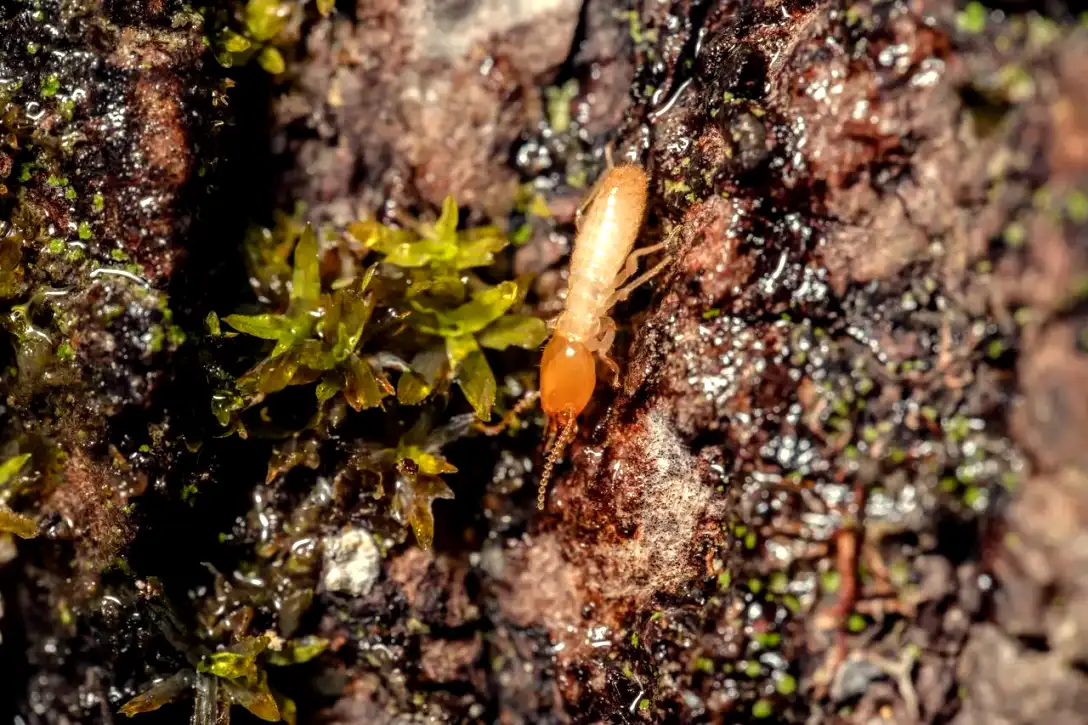
Subterranean termites in Florida, including native Reticulitermes and the Formosan termite, build large colonies underground with access to soil and moisture, reaching wood through mud tubes. Providers often use soil treatments or bait systems; ask the provider what will be applied near the home and how long to keep clear.
View serviceSay what you found and where, and a provider near you explains what comes next.
Looking for termite control in Palm Bay, FL can mean sorting through a long list of company names. This site keeps it to one number: the call goes to an independent provider serving your part of the city, and booking afterward is your decision.
Before work starts, look the company up in the FDACS AES Licensing Portal. Florida licenses termite work under its own category, Termites and wood-destroying organisms (WDO), so ask for a certified operator in it. No provider is licensed, vetted or endorsed by this site.
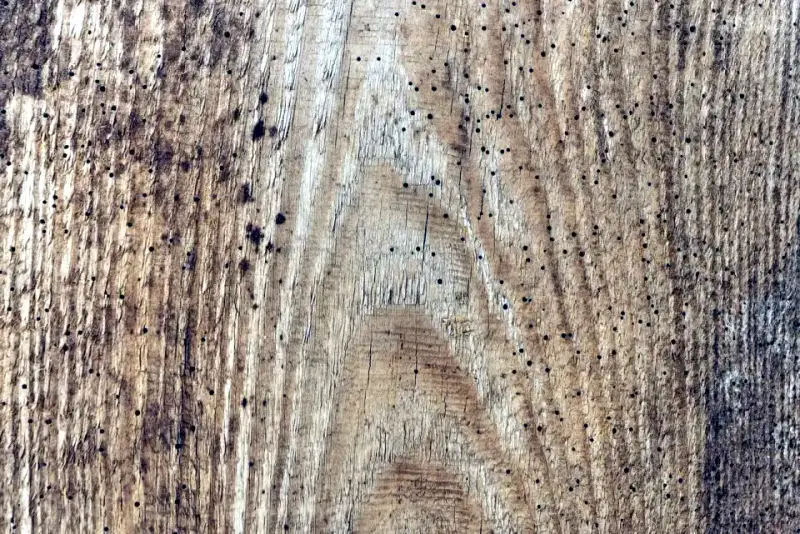
Expect the provider to look for evidence first: mud tubes, hollow-sounding wood, pellets or shed wings. Winged termites have straight antennae, a thick waist and wings of equal length, while flying ants have bent antennae and a pinched waist. Ask to see each sign they point to.
One number serves 32905, 32907, 32908 and the Palm Bay part of 32909, with calls connected 7 a.m. to 1 a.m. Eastern Time (8 a.m. to 2 a.m. during daylight saving time).
Figures are not given here. A provider sets the cost once the inspection shows the job: the type of termite, how far activity has spread, the size and construction of the home, soil, bait or spot work, and any warranty terms.
The provider checks the foundation, slab edges, garage, attic and any wood touching soil, then confirms whether drywood or subterranean termites are present. Ask to see the evidence.
Move stored boxes away from garage walls, clear a path to the attic hatch and under sinks, and keep mulch back from the slab. Leave mud tubes intact, skip store sprays, and follow the provider's instructions first. Mention any recent plumbing or roof leaks.
The provider uses the method that fits: a soil treatment around the foundation, bait stations, or spot work in a single piece of wood. Ask what goes on near the home and how long to keep clear.
Bait stations are checked over time, and many providers offer renewable warranties or re-treatment plans. Ask what the terms cover, how long they run, what renewal involves and how often the home is inspected. Keep the plan paperwork somewhere safe.
Every provider sets its own plan, but most termite jobs move through these four stages. Before anything begins, have the provider walk through each stage, with its timing and any later inspections.
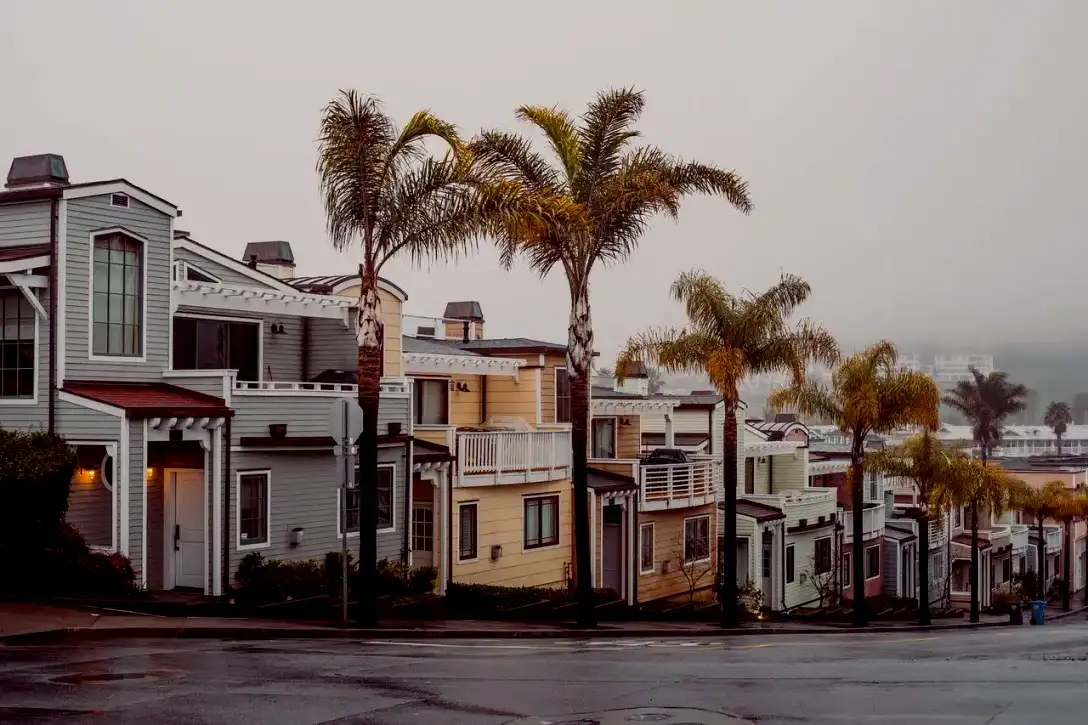
Look for swarmers or piles of shed wings near windows and doors, mud tubes on foundation walls, wood that sounds hollow or looks blistered, and small pellets below trim.
Winged termites at a window or door, or small piles of dropped wings on a sill, can point to a colony close by. Most of Florida's pest species fly in spring. Do not spray them; save a few wings or take photos and let a provider confirm the insect.
Thin mud tubes climbing a slab edge or block wall usually mean subterranean termites moving up from the soil. Leave them intact so the provider can see them. Note where each tube starts and ends. Renters should tell the owner or manager in writing and keep dated photos.
Small, hard pellets piling up under a window frame, door trim or wooden furniture often point to drywood termites. Their colonies sit inside one piece of wood with no soil contact, so ask whether spot treatment fits.
In Florida, a WDO inspection for a real estate transaction is reported on FDACS Form 13645, and filling it out requires special WDO certification. Whether a sale needs one is for the buyer, lender or contract to decide. Ask whether the provider issues the report.
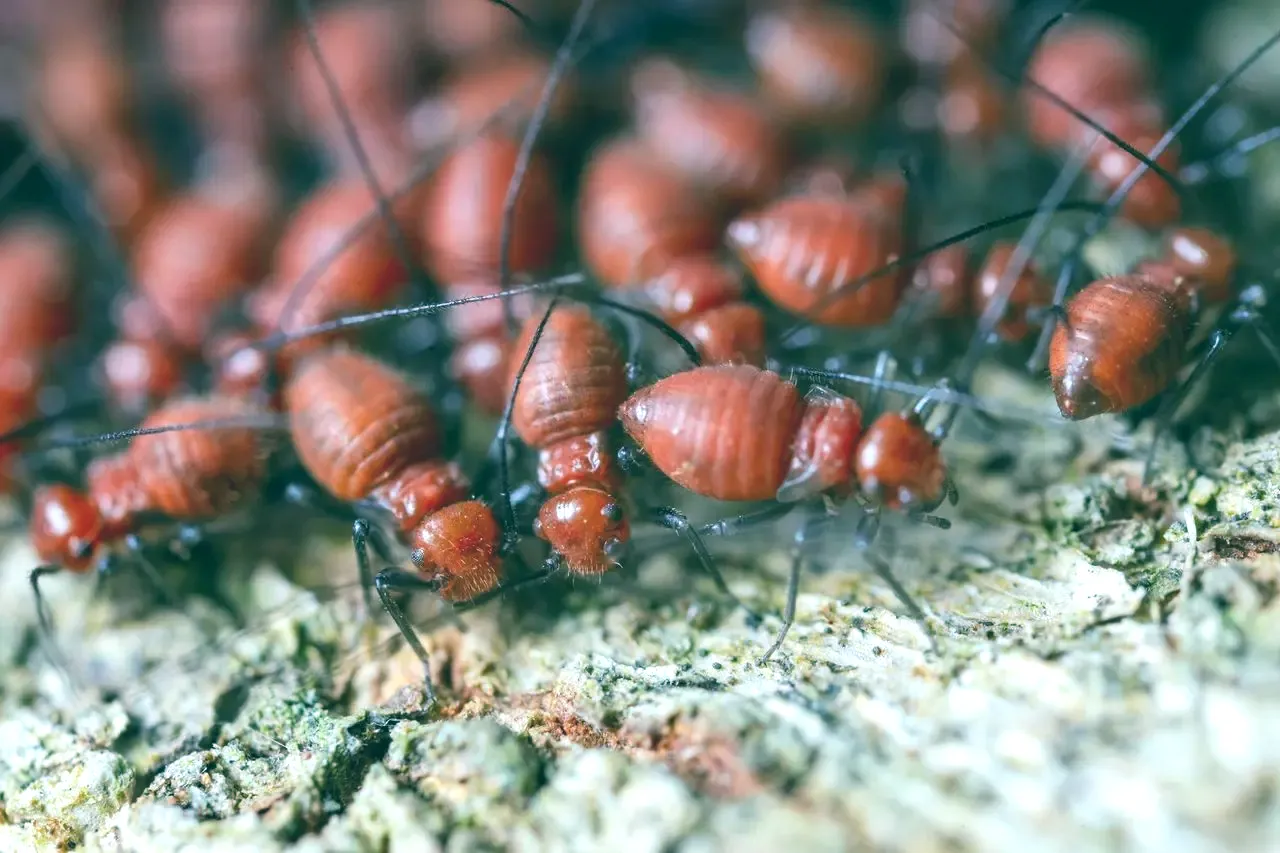
Sketches, not reviews or testimonials: common termite questions from homeowners, sellers and landlords, and the usual next step.
On a spring evening a homeowner finds winged insects at a window and a scatter of dropped wings on the sill. The usual step is to save a few wings, skip the spray, and have a provider confirm whether they are termites and check the slab edges and garage. The plan follows the inspection.
A tenant spots mud tubes on the garage wall and reports them to the owner in writing, with photos. The owner arranges access, and a provider inspects the home, identifies the termite and explains soil treatment or bait options. The tubes stay untouched until the visit.
A seller is asked about a termite inspection before closing. The common next step is to ask a provider whether they issue the FDACS WDO report on Form 13645. Whether the sale needs one is up to the buyer, lender or contract.
The line connects calls for Palm Bay addresses in 32905, 32907, 32908 and the Palm Bay part of 32909. In 32905 that includes Port Malabar Country Club, Palm Bay Colony, Turkey Creek, Driskell Heights and Riviera Green; 32907 includes Lockmar Acres, Holiday Park and Tuscany Estates. 32908 has Bridgewater and Port Malabar Units 31, 32, 37 and 49, and the Palm Bay part of 32909 takes in Waterstone, Stonebriar, Players Club, Fairway Isles and the Bayside Lakes area.
Palm Bay has 50,147 housing units. Share your ZIP so a provider serving it takes the call.
Coverage stops at the Palm Bay city line, so call to confirm your address.
UF/IFAS gives statewide timing rather than a Palm Bay list. In Florida, Formosan subterranean termites usually swarm from early April to late June, shortly after sunset, peaking in May. Native Reticulitermes flavipes flights run from early January to April, often on warm afternoons after rain. UF/IFAS adds that it is always termite season in Florida.
Both are common for subterranean termites. A liquid soil treatment creates a treated zone around the foundation, while bait stations sit around the home and are monitored over time. The provider recommends a method after the inspection, so ask why it fits your home and what will be applied near it.
That is up to the buyer, lender or contract; nothing here is legal advice. In Florida, a WDO inspection for a real estate transaction is reported on FDACS Form 13645 under Rule 5E-14.142, and filling it out requires special WDO certification. Ask whether the provider issues that report.
Often not for long, but the method decides and the provider gives the directions. Soil work happens along the outside of the foundation, bait stations go into the yard, and drywood spot work stays in the affected wood. Ask which areas people and pets should avoid, and for how long. Tent fumigation is not offered through this site.
They can. A missed part of a colony, a new swarm or fresh moisture by the slab can bring activity back, which is why bait stations are monitored and many plans include later checks. Warranty and re-treatment terms belong to each provider, so ask how long coverage runs, what renewal involves and what happens if termites show up again.
Questions people ask before calling about termites in Palm Bay, with plain answers.
Ask a providerQuick checks that help you spot signs, clear access and ask useful questions.
Compare the antennae, waist and wings, then save a few wings.
Explore servicesLeave mud tubes alone, skip store sprays and clear the attic hatch.
Explore services
Ask about the termite type, the method, warranty terms and what drives cost.
Explore servicesDial the number shown here and a call-tracking service, which may record the conversation, hands you to an independent provider that covers Palm Bay. Calls are connected 7 a.m. to 1 a.m. Eastern Time (8 a.m. to 2 a.m. during daylight saving time). Inspection timing and cost are settled with that provider.