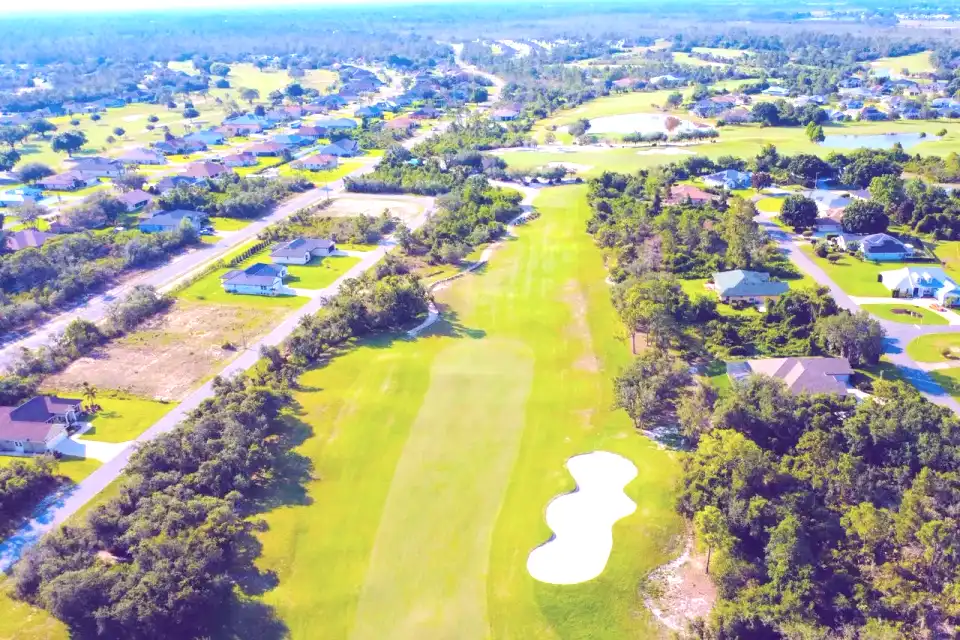
One line to call
A single referral number for termite calls in Palm Bay.
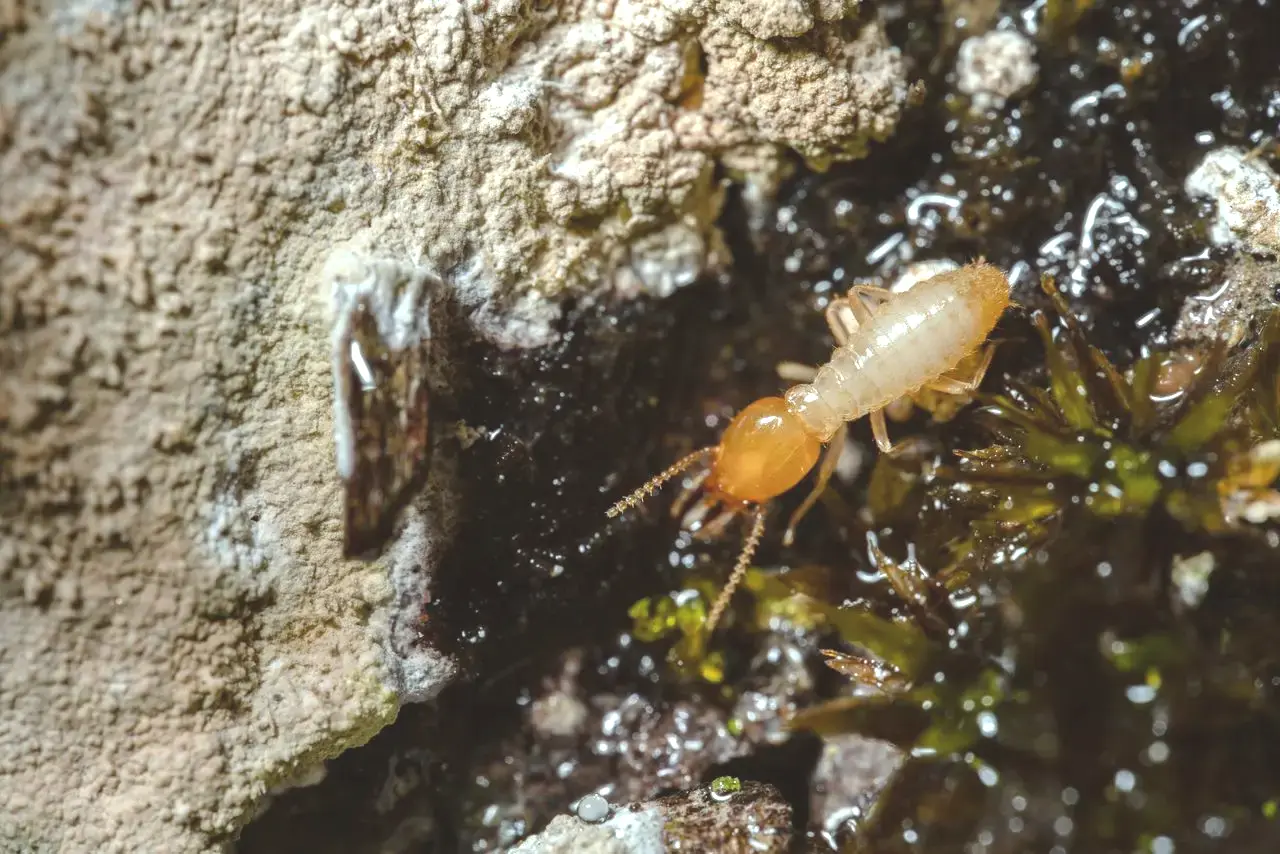
Termite treatment in Bridgewater starts with finding out which termites are present and where, not just dealing with the wings or tubes you can see. Bridgewater is a platted subdivision in ZIP 32908 in the City of Palm Bay's records, and 99.7 percent of that ZIP lies inside city limits. Calls from Bridgewater homes are passed to an independent local provider. A provider usually begins with the foundation, garage, door and window frames and the attic, then explains soil, bait or localized options. Before anything is booked, ask for the plan, the timeline and any warranty terms in writing.
A single referral number for termite calls in Palm Bay.
The provider checks the home before naming a cost.
Calls reach providers that serve Palm Bay ZIPs.
Search the company in the FDACS AES portal.
The work goes most smoothly when the plan fits the actual house and the termites in it, rather than a single spray visit for every home. Bridgewater sits in ZIP 32908 alongside Port Malabar Units 31, 32, 37 and 49, all in Palm Bay according to the city's subdivision records. Citywide, the median home was built in 1993, only 12.9 percent of homes date from before 1980, and 12.3 percent were built in 2010 or later. A newer house is no shield: subterranean termites forage from the soil into any wood they can reach, and drywood termites can set up a small colony in a single piece of wood with no soil contact. A provider here may inspect an owner's house one day and a rental the next, and the steps are much the same. Swarmers, mud tubes, pellets and blistered paint are the usual clues. A provider generally checks the perimeter, garage, frames and attic before suggesting a liquid soil treatment, bait stations or a localized drywood treatment. Ask how re-inspections and re-treatment terms work.
Homes in Bridgewater can call for different approaches depending on the termite type and where it shows up. Subterranean activity along the foundation may suit a liquid soil treatment or a bait station system, while a drywood colony in one window frame may suit a localized treatment. The five services below cover the usual range, and whoever takes the call should match the method to the house and the size of the problem. If you are unsure which kind of termite you have, the inspection page is a good place to start.
In a Bridgewater home, a provider generally checks the slab edge or crawl space, foundation walls, the garage, door and window frames, baseboards and the attic for mud tubes, wings, pellets and damaged wood. Moisture sources and spots where wood or mulch touch soil get a look too. Ask whether the provider uses moisture meters or other tools, and request a written note of what was found and the recommended treatment.
View service →02Drywood termites make small colonies inside a single piece of wood and need no contact with soil. UF/IFAS describes the West Indian drywood termite as exclusively associated with structures, and its flights in Florida come in May and June. Pellets pushed out of tiny holes are the usual clue. For limited activity, a provider may suggest a localized treatment. Whole-structure fumigation (tenting) is a separate job outside this site's scope. Ask how far the activity seems to extend in a 32908 home like yours.
View service →03In Florida, subterranean termites, including the native Reticulitermes species and the Formosan subterranean termite, build large colonies underground and need soil and moisture. In Florida, the Formosan termite is found throughout the state, mainly in dense urban areas. A provider may suggest a liquid soil treatment that creates a treated zone around the foundation, or bait stations placed around the home and monitored. Ask what will be applied and how long to keep clear.
View service →04Termite work on a rental home or condo in Palm Bay usually runs through the owner or property manager. Renters hold 20.3 percent of Palm Bay's occupied homes, and 11.3 percent of units are in buildings of two or more (8.1 percent in five-plus buildings). Tenants who see wings, tubes or pellets should report them to the owner or manager in writing. A provider then arranges access with both. Ask how notice, access and any shared areas will be handled.
View service →05Termite treatment often comes with a renewable warranty or service agreement, and terms vary by provider and method. A provider may re-inspect the home on a schedule and re-treat if activity returns within the term. Ask what the agreement covers, whether repairs are included, how long it lasts and what renewal involves. Owners in Bridgewater can keep the written terms with their home papers.
View service →In Bridgewater, termite work usually starts with access and a clear look at the outside of the house. A provider will need to reach the full perimeter, so garden beds, stored items along the garage walls and anything stacked against the house may have to move. Inside, they will want to see door and window frames, baseboards, the attic hatch and any spot where water has leaked. For a liquid soil treatment, the provider works around the foundation to create a treated zone, and may need access along patios and walkways; ask how that will be handled at your address. For a bait station system, stations are placed in the soil around the home and checked on a schedule. For limited drywood activity, the provider may treat the affected wood directly. Ask the provider what will be applied near the home, how long people and pets should keep clear, and to write down what was done, where and on what date. That record is worth keeping in case a buyer, lender or tenant later asks how the problem was handled.
Subterranean termites move from the soil into whatever wood they can reach, so a fence post against the wall, a planter box or mulch piled over the slab edge can give them a quiet path in. In Florida these termites need soil and moisture, and leaky hose bibs or poor drainage help them. A home can look fine from the street while tubes climb the back of the garage. Ask the provider which spots around your home make contact easier and what to change before or after treatment.
Swarmers leave a mature colony to start new ones, and in Florida most pest species fly in spring. UF/IFAS lists native Reticulitermes flavipes flights from early January to April and R. virginicus from early February to late May, usually on warm, sunny, windless early afternoons after rain. Formosan subterranean termites swarm from early April to late June, shortly after sunset. A swarm inside the house suggests a colony in or near the structure. Sweep a few wings into a bag, take photos and let a provider decide what the signs mean.
Drywood termites can live for a long time inside a door frame, window sill or piece of furniture without any sign outside the wood. The first clue is often a small pile of hard pellets on the floor or sill below. Because there is no soil contact, a soil treatment does not reach them. A provider may suggest a localized treatment where activity is limited, or explain why a wider job is needed. Tenting is outside this site's scope. Ask what to clear from the area before the visit.
Anyone applying termite treatments in Bridgewater should be licensed by FDACS. The AES Licensing Portal lets you look up a company or person. Ask for the license number and whether a certified operator holds the Termites and WDO category.
Ask the provider what will be applied in the soil, in bait stations or in the wood, and where. Ask how long people and pets should keep clear, and mention wells, vegetable gardens, fish ponds, pets with health issues or anyone with health concerns before work begins. Keep the answers with your records.
FDACS licenses pest control in Florida, and home-sale WDO inspections are reported on FDACS Form 13645 under Rule 5E-14.142. No City of Palm Bay permit for termite treatment was found. Keep a written record of any treatment done.
Soil contact, moisture, spring swarms, hidden drywood colonies and home sales all shape termite questions in a Bridgewater house. In Florida, it is always termite season, as colonies continue to chew on wood year-round, so no month is free of risk. Common situations include the four below, each paired with questions to put to a provider.
Subterranean termites build mud tubes so they can travel between the soil and wood without drying out. Garage corners, slab edges, foundation walls and plumbing entries are common spots to find them, often behind stored boxes or shelving. Breaking the tubes open does not end the problem, because the colony lives in the soil. A provider usually inspects the full perimeter and may suggest a liquid soil treatment or a bait station system. Ask which areas will be treated, whether stored items need to move and what happens if activity turns up at a later inspection, so the whole home is covered rather than one corner.
Spray cans and store-bought products seldom reach a subterranean colony in the soil or a drywood colony deep inside a frame. Signs can fade for a while and then return, often with the next swarm season. People also tend to treat the one spot they can see and miss activity elsewhere in the house. A provider generally starts with a full inspection to work out which termites are present and how far they have spread, then recommends a liquid soil treatment, a bait station system or a localized drywood treatment. Ask how later inspections will show whether the plan has worked, and avoid disturbing tubes, wings or pellets before the provider sees them, since those signs help the inspection.
A home sale is often when termite questions come up. In Florida, WDO inspections for a real estate transaction are reported on FDACS Form 13645, the Wood-Destroying Organisms Inspection Report, under Rule 5E-14.142, and filling it out requires special WDO certification. Whether a particular sale needs one is up to the buyer, lender or contract, and this site gives no legal advice. If you are buying or selling in Bridgewater, ask whether the provider issues the FDACS WDO report, and keep any treatment records and warranty papers ready to share.
About 20.3 percent of Palm Bay's occupied homes are rented, and termite work on a rental is usually arranged by the owner or property manager. This site does not give legal advice and does not say who pays for treatment. Even so, owners and tenants in Bridgewater both gain from a clear written record. Ask the provider for a report listing the termite type found, the method used, the treated areas, the date and any re-inspection results, along with license details from the FDACS AES Licensing Portal. Tenants who see wings, mud tubes or pellets should report them to the owner or manager in writing and keep dated photos. Owners should keep warranty and renewal papers with the property file.
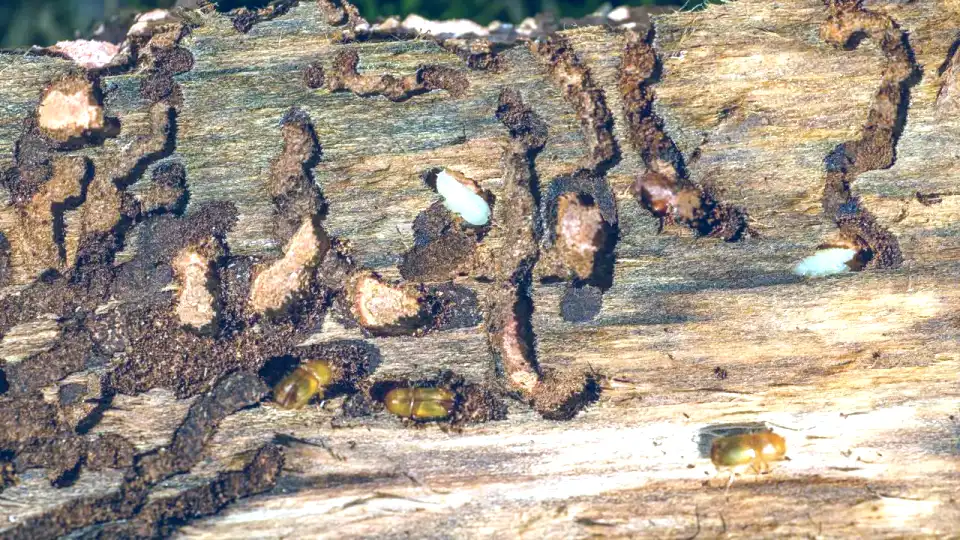
No figures are listed here; whoever inspects the Bridgewater house sets the cost afterward. The factors that move the number are fairly predictable: the termite type, how far activity has spread, the size and layout of the home, the method chosen and whether a warranty or renewal agreement is part of the plan. A liquid soil treatment around the whole foundation, a bait station system with scheduled checks and a localized drywood treatment all differ in labor and materials. Ask whether the quote includes re-inspections, re-treatment and renewal terms, and how long it holds. A closing date on the calendar is worth mentioning, so the provider can say honestly whether the timing works.
A small home with one area of activity needs less time and material than a larger house in 32908 with signs on several sides. A soil treatment grows with the length of the foundation. Ask what the footprint adds to the job.
Homes with stored items packed against garage walls or heavy planting along the foundation take longer to inspect and treat. You may be asked to clear some spots before the visit. That affects the time needed but helps the inspection reach every wall.
Subterranean and drywood termites need different methods, and activity on several walls means a bigger job than one damaged sill. In buildings with more than one unit, owners should ask how the work is quoted and scheduled so the whole structure is covered.
No crews are dispatched from this site, so these cards are not route markers. More useful are the facts and state offices that bear on a Bridgewater home. When you call, have your address and ZIP ready so the call reaches the right provider, and mention gates, pets or anyone home during the day. The points below cover the ZIP, nearby Port Malabar units, local housing facts and the state checks that matter for termite work.
Bridgewater is in ZIP 32908. About 99.7 percent of this ZIP lies inside Palm Bay city limits, so a full street address is enough for the line to route your call to a provider.
Port Malabar Unit 32 is a platted subdivision in ZIP 32908, according to the city's records. Calls from its homes are handled the same way as Bridgewater calls.
In Palm Bay, 12.3 percent of homes were built in 2010 or later (ACS 2024). Newer homes can still get termites, so mention the build year when you call.
NWS Melbourne lists normal annual precipitation of 50.79 inches for Melbourne, the station next to Palm Bay (1991-2020). Termites need moisture.
The Florida Department of Agriculture and Consumer Services licenses pest control. Its AES Licensing Portal shows whether a company or person is licensed before work begins.
Florida licensing has separate categories, and a company needs a certified operator in each one it offers (UF/IFAS EDIS IN1269). Ask whether the provider covers Termites and wood-destroying organisms (WDO).
No City of Palm Bay permit for termite treatment was found. Termite work is licensed by the state through FDACS, and the treatment is arranged privately with a provider.
Florida home-sale WDO inspections are reported on FDACS Form 13645 under Rule 5E-14.142. Filling it out requires special WDO certification.
Bridgewater is a platted subdivision in ZIP 32908, inside Palm Bay. Calls from Bridgewater homes and rentals go through this line, so name the subdivision when you call.
Calls are connected for addresses in Bridgewater and across ZIP 32908, including Port Malabar Units 31, 32, 37 and 49, plus ZIPs 32905 and 32907 and the Palm Bay part of 32909. Half of Palm Bay's homes predate 1993; 12.9 percent were built before 1980, and 12.3 percent went up in 2010 or later. Mention the build year and whether the house sits on a slab, so the first visit starts in the right places.
Bridgewater lies in ZIP 32908, one of the Palm Bay ZIPs that sits almost entirely inside city limits. Whatever the age or layout of a home here, subterranean termites usually show up first where wood, soil and moisture meet, and drywood termites in frames and sills. A provider generally inspects those spots first and then recommends a liquid soil treatment, bait stations or a localized treatment. From Bridgewater, a call reaches an independent provider, who then picks the inspection date.
Port Malabar Unit 31 is one of the Port Malabar units the city places in ZIP 32908, along with Units 32, 37 and 49. Termite problems here are handled the same way as anywhere in Palm Bay: inspection first, then a treatment plan, scheduled re-inspections and any warranty terms the provider offers. Unit 31 owners and renters use the same number.
Unit 37 of Port Malabar shares ZIP 32908 with Bridgewater and sits inside Palm Bay. Newer or older, any house here can draw subterranean termites from the soil or host a drywood colony in a single frame. Wings in spring or pellets under a sill are good reasons to ask for a full inspection before any method is chosen. Unit 37 households use the same number, and whoever takes the call picks the visit date.
Port Malabar Unit 49 also falls in ZIP 32908, inside Palm Bay, according to the city's subdivision records. Its homes face the same termite routes as the rest of the city: soil contact, moisture, spring swarms and drywood activity in frames. Owners and renters in Unit 49 reach an independent provider the same way and should ask the same questions about inspection, method and warranty terms.
The three examples below are illustrations of how a termite problem can unfold. None of them is a real job record or a result from this site. Each starts with a small sign and shows what a caller can expect to discuss with a provider.
The owner of a rented house in Bridgewater hears from the tenant that winged insects swarmed near a sliding door one spring evening and left wings on the floor. A spray from the store seemed to stop the flying, but a week later the tenant finds a mud tube on the garage wall. In a case like this, a provider usually inspects the full perimeter, the garage and the interior frames, since subterranean termites can travel well beyond the spot where they are seen. If activity is confirmed, the plan may be a liquid soil treatment around the foundation or a bait station system with scheduled checks. The owner should ask for a written report listing the termite type, method, treated areas and any warranty terms, and keep it with the lease file.
A household in Port Malabar Unit 37, ZIP 32908, had the home treated for termites some years ago and still keeps the old paperwork. Now they find small piles of pellets under a window sill and wonder whether the earlier work covers it. In a situation like this, a provider will usually inspect the sill and the rest of the home, then explain whether the signs fit drywood termites, which live inside the wood and need no soil contact, and whether a localized treatment fits. The family should bring out the old agreement, ask whether it was renewed and what it covers, and ask exactly what will be applied, where and how long to keep clear. Tenting is a separate job outside this site's scope.
A renter in a house in Port Malabar Unit 49 notices discarded wings on a windowsill in late spring and a patch of baseboard that feels soft. The renter is unsure whether to call a provider directly or tell the owner first. In a case like this, the usual step is to report the signs to the owner or property manager in writing, with dated photos and a few wings saved in a sealed bag. The owner or manager typically arranges the inspection, and a provider then checks the perimeter, frames and baseboards before suggesting a method. The renter should ask the owner when the visit will be and whether any areas need clearing. This site does not address who pays for the work.
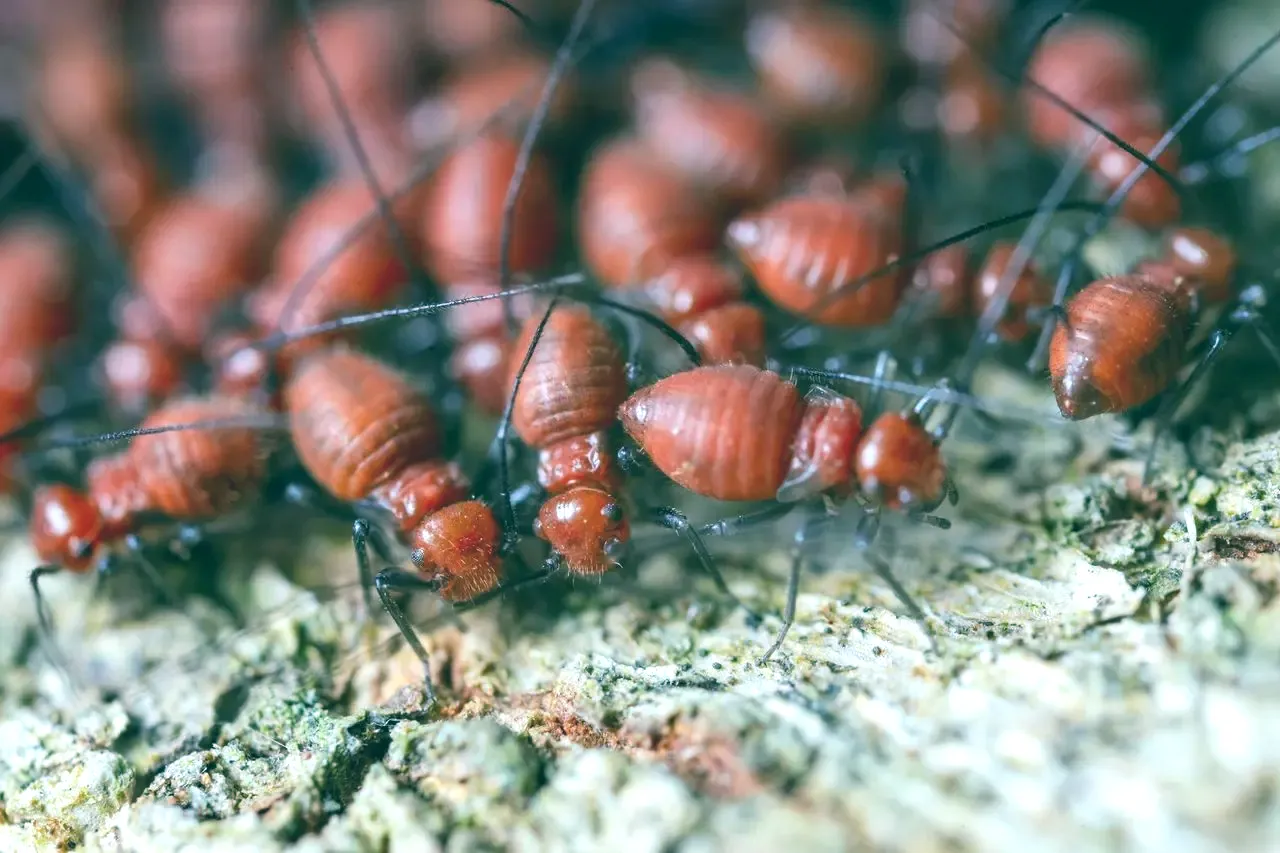
An owner renting out a Bridgewater house: the tenant reported wings and a mud tube, and a store spray did not help. A caller in this position should expect the provider to ask about the whole perimeter, suggest an inspection of the garage and frames and explain any re-inspection schedule. A written report helps with the tenant, but nobody can promise an outcome before the home is seen.
A homeowner with an older termite agreement finds pellets under a sill and wants to know what the paperwork still covers. A caller like this can expect the provider to inspect, explain whether the signs fit drywood termites, describe localized options and say what a new or renewed agreement would include. No plan is fixed until the house has been inspected.
A renter whose owner has been slow to respond: the tenant has seen wings and soft baseboard and is unsure where to start. The first step is a written report to the owner or manager with dated photos. A caller can still ask a provider general questions, though treatment of a rental usually needs the owner's involvement.
Termites are an all-year concern in Bridgewater because, as UF/IFAS puts it, in Florida it is always termite season, as colonies continue to chew on wood year-round. What shifts across the year is what you are likely to notice: swarmers in spring, moisture after heavy rain and damage found during home projects. Below, season by season, is what to watch for.
Spring is when most pest termite species fly in Florida. UF/IFAS reports Formosan swarms in Florida from early April to late June with a May peak, native R. flavipes flights from early January to April and R. virginicus flights into late May. Wings indoors suggest a colony close by.
West Indian drywood termites fly in May and June in Florida, and Formosan swarms can continue to late June. NWS Melbourne lists 50.79 inches of normal annual precipitation for Melbourne, the station next to Palm Bay, and subterranean termites need moisture.
Swarms are mostly finished by fall, but colonies keep feeding. Fall is often when people repaint, replace trim or clear garages, and that work can uncover mud tubes, hollow wood or old damage that deserves a closer look from a provider.
Winter does not pause termites in Florida, since colonies feed year-round. Native Reticulitermes flavipes flights can start in early January, usually on warm, sunny, windless early afternoons after rain, so wings may appear sooner than expected.
Bridgewater is only one of several Palm Bay areas on this line. Coverage runs across 32905, 32907, 32908 and the Palm Bay part of 32909, taking in Port Malabar Units 31, 32, 37 and 49, Port Malabar Country Club, Lockmar Acres and the Bayside Lakes area. Owners with homes in several of these areas can give every address in one call.
Termite companies differ in how they inspect, treat and back their work, and a missed colony may stay quiet until the next swarm season. Ask any company these five questions, and compare the answers before signing. Their replies show whether the provider treats termite work as a core skill or an add-on to general pest control.
FDACS licenses pest control in Florida, with separate categories. Look up the company or person in the AES Licensing Portal and ask whether a certified operator holds the Termites and wood-destroying organisms (WDO) category. Keep a copy of the license details with your records.
Termites seen in one corner can be feeding elsewhere too. A provider who checks the full perimeter, garage, frames and attic understands how colonies spread. If only one area will be treated, ask how activity in the rest of the home will be ruled out.
Ask the provider to explain what will go into the soil, the bait stations or the wood, and where. Ask how long people and pets should stay away from treated areas. If the reply is fuzzy, press for detail before booking. Mention wells, gardens or health concerns early.
Many providers offer renewable warranties or service agreements, but terms vary by provider and treatment. Ask what is covered, whether re-treatment and repairs are included, how long it lasts, what renewal involves and how often the home is re-inspected.
Home sales, tenant questions and future warranty claims often turn on records showing who treated the home and how. A written report with the termite type, method, areas and dates protects you. For a sale, ask whether the provider issues the FDACS WDO report.
Look up the company first
Certified operator required
Request it in writing
Ask the provider
Ask the provider
That turns on the method chosen and how big the home is. A liquid soil treatment around a full foundation may fill much of a visit, a bait station system takes an initial setup followed by scheduled checks over time, and a localized drywood treatment may be shorter. Tenting is outside this site's scope. Re-inspection visits are usually shorter. Get a time estimate for your own house.
The clearest signs are piles of discarded wings near windows, mud tubes on the slab edge or foundation, small pellets under sills and wood that sounds hollow or looks blistered. Flying ants can be confused with termites; termites have a thick waist and straight antennae. Unsure? A provider can check the signs in person.
The method decides, and so does the provider. Ask whether anyone needs to be away during a liquid soil treatment, bait station setup or localized drywood treatment, which areas to keep clear and for how long. Whole-structure tenting is a separate job outside this site's scope. If someone at home works nights, is pregnant or has asthma, say so when the visit is booked.
This site does not quote figures. The provider sets the cost after an inspection, based on the termite type, how far activity has spread, the size of the home, the method chosen and any warranty or renewal terms. Ask what re-inspections and re-treatment are included and how long the quote holds.
Yes, if part of a colony is missed or new termites arrive from the soil or a spring swarm. Moisture problems and wood touching soil can also invite them back. That is why many providers offer re-inspections and renewable re-treatment terms. Ask how those checks work and what happens if new activity appears.
Don't see your question? The referral line can put you through to a local provider for answers on timing and choices.
Ask a providerDial the number shown here and a call-tracking service, which may record the conversation, hands you to an independent provider that covers Palm Bay. Calls are connected 7 a.m. to 1 a.m. Eastern Time (8 a.m. to 2 a.m. during daylight saving time). Inspection timing and cost are settled with that provider.