One line to call
A single referral number for termite calls in Palm Bay.
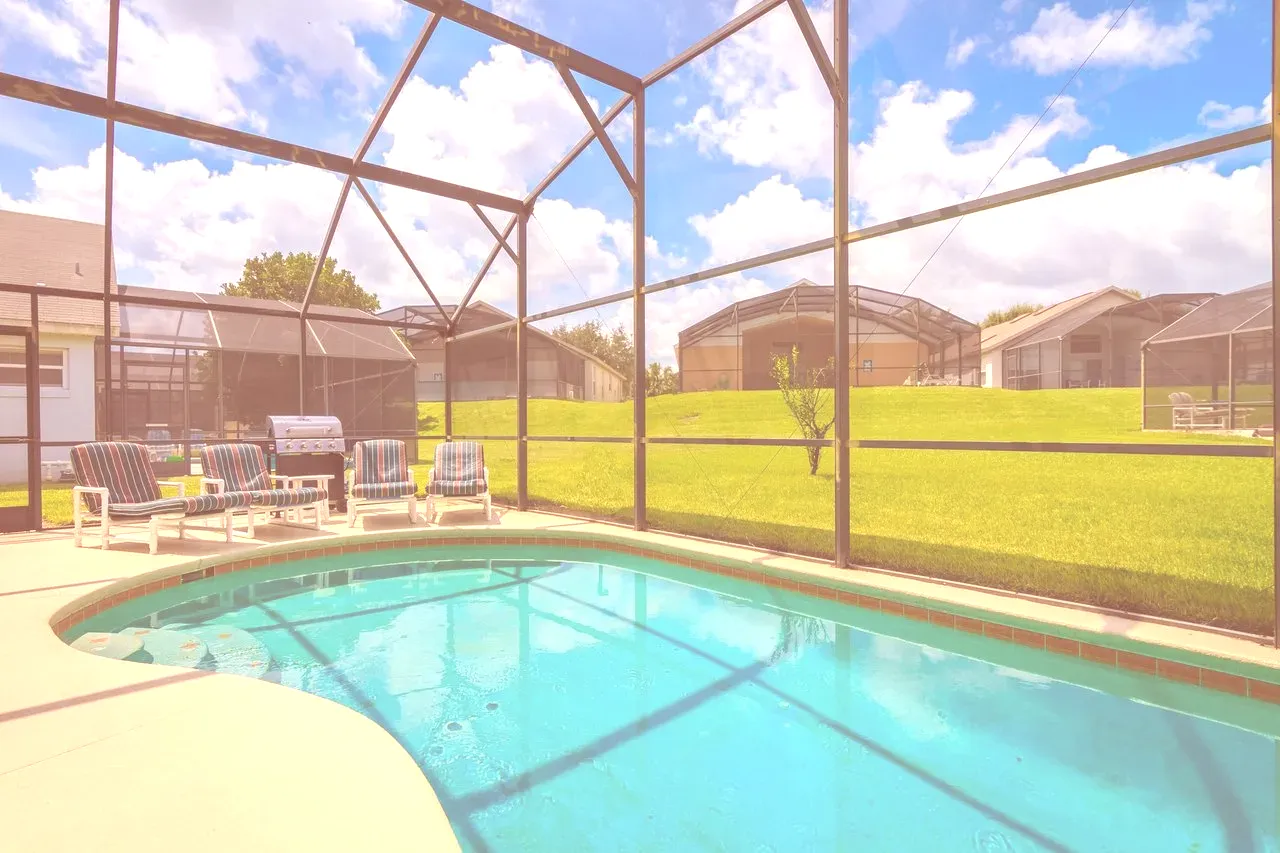
Termite retreatment in Palm Bay, FL is the work done when termites show up again after an earlier treatment, often under the warranty or renewal plan that came with it. This line routes each call to an independent local provider who works on Palm Bay houses, duplexes, condos and rentals. If you see new mud tubes or swarmers after treatment, call and explain what you saw.
A single referral number for termite calls in Palm Bay.
The provider checks the home before naming a cost.
Calls reach providers that serve Palm Bay ZIPs.
Search the company in the FDACS AES portal.
A typical renewal visit pairs a fresh inspection with treatment of any new activity. Check which parts the plan covers and which carry an added charge.
The provider goes back over slab edges, foundation walls, the garage, door frames, baseboards and attic wood, looking for new mud tubes, shed wings and fresh damage. Bait stations, if any, are opened and checked too. Ask what the inspection covers and how findings are recorded.
Any area showing live termites can be treated again, often with soil treatment at that spot or added bait. Check the company in the FDACS AES Licensing Portal first. Ask which areas the warranty covers if termites come back there.
Bait stations around the home are opened, checked for feeding and refilled as needed. Ask how often stations are serviced under the plan and who looks at them between scheduled visits.
Request written notes that record what turned up, which areas were treated, what was applied and whether another visit is needed. Owners often keep them with the warranty papers and home records.
Each provider writes its own warranty and re-treatment terms. Ask how long coverage runs, whether it covers damage or only re-treatment, what renewal costs, and what could end it, such as building against the slab. This site sets no terms, so keep a written copy.
Say what you found and where, and a provider near you explains what comes next.
In Palm Bay, termite retreatment is the follow-up work a provider does when termites return to a home that was treated before, usually under the terms of a warranty or renewable service plan. The provider re-inspects, finds where termites are getting in, and treats those areas again with soil treatment, bait or both. Inspection schedules and what is covered differ from plan to plan. Ask the provider how the terms apply to your home.
Re-treatment plans exist because no treatment changes the fact that termites live in the soil around a home. UF/IFAS puts it this way: "In Florida, it is always termite season, as colonies continue to chew on wood year-round." New patios, landscaping, plumbing work or moisture near the slab can open fresh paths. Whether the home is in Port Malabar Country Club, Bridgewater, Lockmar Acres or the Palm Bay part of 32909, the call goes to an independent provider who handles retreatment.

Before the visit the provider usually explains what to do: move stored items away from garage and closet walls, trim plants back from the foundation, and leave any new mud tubes or wings where they are. Photos of what you saw, with dates, help the provider. A written checklist from the provider keeps steps from being missed.
The provider starts where activity was reported, then works around the foundation and through the house: slab edges, the garage, door frames, baseboards, bath areas and attic wood. Bait stations are opened and checked. Some providers use a moisture meter, so ask about it. Providers generally point out any live activity so you can see where termites remain.
Spots still active are treated again, often with soil treatment where termites get in or more bait in nearby stations. A method that failed once may be swapped for another. Ask what will be applied and how long to keep people and pets clear.
Bait stations are cleaned, refilled or moved, and new ones may be added near the spot where termites were found. They show whether termites are still feeding, so you get early warning between visits. Ask how often stations are checked, what a station check involves, and when to send the provider a photo of new tubes.
At the end of the visit, request a written summary of the findings, the treated spots and any further visit the provider advises. Heavy activity, attached units and moisture problems can push the job past one visit. Ask who decides that and whether extra trips are covered by the warranty you signed.
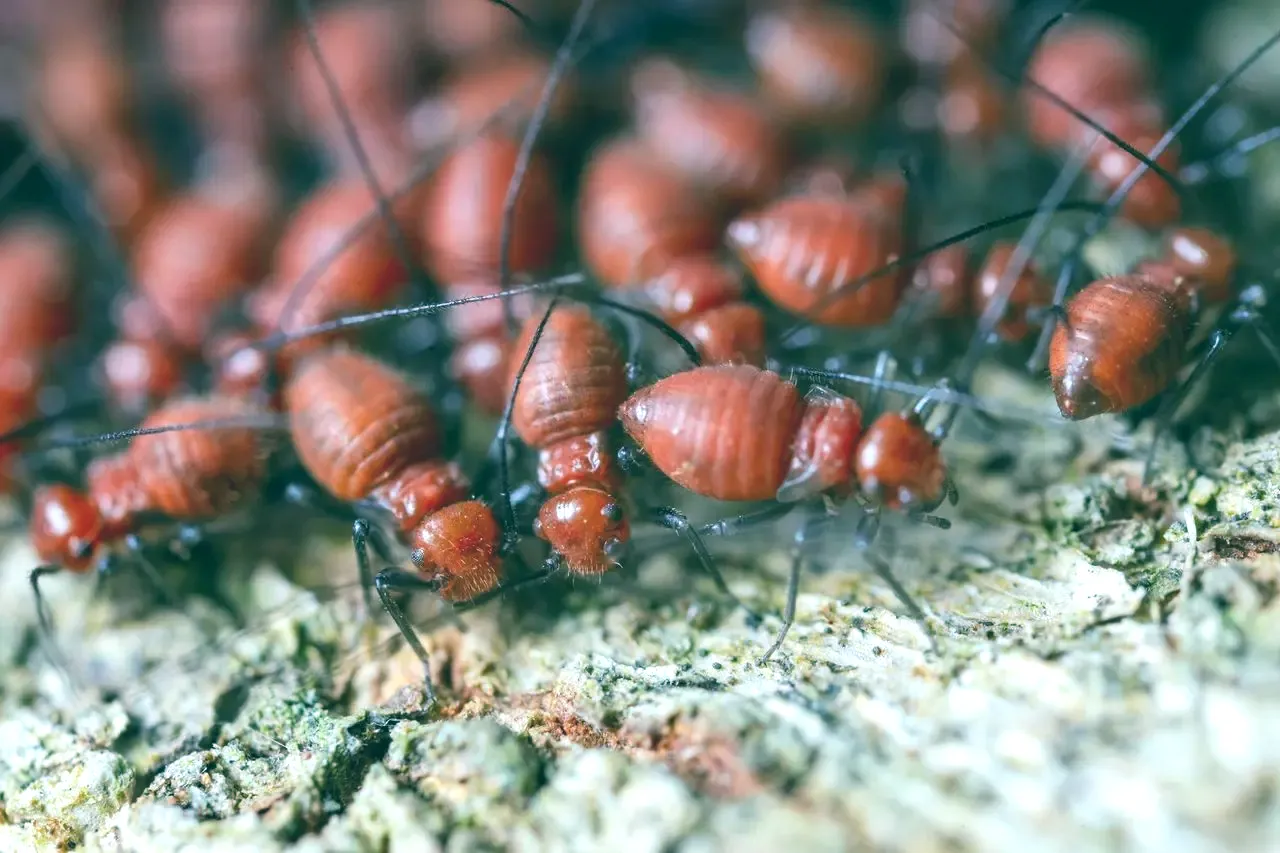
Some providers use moisture meters to find damp wall areas where termites may be active. Ask whether one is used and how each reading is checked by eye.
Probing and tapping wood shows soft or hollow spots. On a retreatment visit, ask which areas were probed and what each one showed.
A liquid soil treatment can be added where termites are found coming up from the ground. Ask what will be applied and how long to keep clear of the treated soil.
Opening a mud tube shows whether termites are still using it. A dry, empty tube may be left over from before; a moist one with termites inside means current activity.
Bait stations in the soil are opened on a set schedule, checked for feeding and refilled when needed. Termites that feed carry the bait back to the colony.
In a rented home, stations still need checking on schedule during the lease. The owner or manager arranges yard access and tells tenants when the provider is due.
Wet soil by the slab, dripping hose bibs and gutters that empty against the walls invite termites back. Ask which moisture fixes near the foundation would support the plan.
A careful provider goes wall by wall, starting where activity was reported, then working around the foundation, the garage and the attic. Old, empty tubes are told apart from fresh ones by breaking them open and looking inside. Find out how long it runs and which parts of the home it covers.
A soil treatment where termites get in and bait stations around the home can work alongside each other. The soil treatment is aimed at termites coming up at that spot, and the bait at the colony feeding on it. Ask which mix is planned for your home this time and the reason.
When termites return after one approach, providers commonly change methods, for example adding bait to a soil-treated home or treating soil where stations show heavy feeding. Ask what was used before and why the change is suggested.
Look along slab edges and garage walls every few months and keep a dated log, with photos of any tubes or wings. Ask how often the provider inspects under the plan and what kind of sign calls for an extra visit.

The provider usually re-inspects the house and, with the owner's agreement, any attached unit, then works out whether termites are getting past the first treatment or coming in at a new spot. Active areas are treated again under the plan's terms. With the findings on paper, owner and tenant start from the same facts. Report new signs in writing right away.
Wings on a sill can come from termites swarming inside or from insects that flew in from outdoors, which is why a re-inspection matters. Flying ants can look similar too. The provider checks for live termites and signs of activity, then treats any area that needs it under the warranty terms, if those apply. Ask whether the plan is still active and what it covers.
A standalone inspection before moving day can cover the foundation, the garage, door frames, baseboards and attic wood. Any signs found can be dealt with while rooms are still empty. Ask the sellers or previous owners whether a termite warranty exists and whether it can be transferred, since the terms belong to the provider. Keep stored items away from walls once you move in.
A dated re-inspection can document which areas were checked and what turned up. If activity shows up, treatment comes before the new lease. Owners keep it with the lease papers. An inspection only reflects the day it happens, so ask how often the home should be inspected under any renewal plan.
Palm Bay's housing mix shapes how re-treatment plans work. Half of its 50,147 housing units date from 1993 or later; just 1.4 percent predate 1960, 12.9 percent predate 1980, and 12.3 percent are from 2010 on. Renters occupy 20.3 percent of homes; 11.3 percent of units share a building with at least one other, 8.1 percent sit in buildings of five or more, and 3.2 percent are mobile homes. In attached buildings a shared slab can carry termites from one unit to the next, so providers often look at neighboring units and write notes for owners and managers. In single-family homes the focus tends to be slab edges, garages, additions and wood near the soil. UF/IFAS says that in Florida "it is always termite season, as colonies continue to chew on wood year-round," and normal annual rainfall at Melbourne, the station next to Palm Bay, is 50.79 inches. Florida pest control is licensed by FDACS, and you can look up a company in the FDACS AES Licensing Portal. No City of Palm Bay permit for termite treatment was found.
Country Club Units 1-10 in northeast Palm Bay, ZIP 32905. Re-inspections often look closely at slab edges, garages and any additions built after the first treatment.
Bridgewater shares ZIP 32908 with Port Malabar Units 31, 32, 37 and 49. Return visits here often check bait stations, slab edges and wood near the soil, plus any new patio.
Lockmar Acres, Holiday Park and Tuscany Estates in ZIP 32907. Return visits focus on foundations, garages and any spot flagged last time.
The Palm Bay part of 32909 takes in Waterstone, Stonebriar, Players Club, Fairway Isles and the Bayside Lakes area. If a store product was tried first, say so, since the provider may change method.
Subterranean termites can move under a shared slab from one unit to the next, so a retreatment limited to one unit may never reach the source. Ask whether attached units should be part of the same visit.
UF/IFAS says colonies in Florida keep chewing on wood year-round, so there is no reason to delay a scheduled inspection for the weather. Book it when the provider advises.
Most pest termite species in Florida fly in spring, UF/IFAS notes, with Formosan flights peaking in April and May. Wings on a sill after a treated year may mean termites are back, so report them.
Termite work falls in the termites and WDO license category. Look the company up in the FDACS AES Licensing Portal before work starts.
A typical situation: about a year after the owner's first treatment, a tenant finds new mud tubes on the shared garage wall and a few wings by a window. After a written report from the tenant, the manager phones to set up a re-inspection.
What usually comes next: the provider re-inspects both units and the shared slab, treats active areas with soil treatment or added bait, and checks the stations on each side. Moisture, stored items and the attached unit all affect results, so monitoring carries on afterward.
Afterward: Keep stored items off the garage walls and look along the slab edge every month. Fix leaks and keep sprinklers off the foundation. Put any new tubes or wings in writing promptly, inside the time the warranty allows.
A typical situation: two years after a soil treatment, a homeowner sees mud tubes climbing a new patio slab where it meets the house. The patio was poured after the treatment, and the soil under it may not have been treated. Only a fresh inspection can show where they are getting in.
What usually comes next: the provider checks the patio joint, the slab edge and nearby walls, may treat the soil at that spot, and explains whether the warranty covers it. Whether activity stopped shows up at the next scheduled look.
Afterward: Tell the provider before any new patio, addition or landscaping goes in against the house. Keep mulch thin and away from the slab, and look over the patio joint every few months for new tubes or damaged trim.
A typical situation: after two treatments on one side of a small building, the neighboring tenant starts seeing wings and tubes. The termites may be moving under a shared slab. A plan for the shared slab, with notes for each unit, serves the owner better than treating one side again.
What usually comes next: the provider inspects both units and the shared foundation, treats the soil where termites get in, adds or services bait stations, and writes notes for both files. Continued checks show whether either unit still has activity.
Afterward: Find out what inspection schedule suits the shared foundation over the next year. Keep notes on file, and remind tenants to report wings or tubes in writing as soon as they see them.
When termite work does not last, the cause is usually one of the four below. A scheduled re-inspection is designed to spot each of them before damage spreads.
Left alone, a subterranean colony keeps feeding, and damage can build inside walls before anyone notices. The provider re-inspects, finds where termites are getting past the treatment, and treats those spots again, sometimes with a different method such as bait. A careful look helps show whether a tube is new or left over from before. Report it quickly, take a dated photo, and leave the tube in place for the provider.
Subterranean termites can reach a house wherever the soil meets the structure, so a spot treatment in one area may leave another entry open. Ask the provider to re-inspect every wall along the slab, the garage, bath areas and door frames, and any addition built since the first treatment. Active spots are treated and the plan is updated to cover them.
With nothing in writing, the dispute lingers while wings or tubes keep turning up. A tenant should report signs to the owner or property manager in writing, and the owner arranges access for the inspection. Nothing here is legal advice, and this site takes no view on who covers any cost. When the provider dates each note and both sides keep a copy, there is one record to point to.
A store spray aimed at a mud tube kills the termites it touches but does not reach the colony in the soil, and broken tubes are often rebuilt nearby. Weeks later the activity is back, sometimes in another spot. The provider re-inspects, finds where termites are getting in and may suggest soil treatment, bait or both. Mention the product and the spot where it went.
Set by the provider after inspection; ask whether your plan covers re-treatment
The provider, not this site, sets the cost of a retreatment in Palm Bay, and some plans include re-treatment while the warranty is renewed; ask whether yours does. Outside a plan, an inspection for a second opinion or a move-in may be charged separately, so ask. The cost depends on the size of the home, how much activity is found, whether attached units are involved, which methods are used and what the renewal plan covers. Get the quote in writing, and ask what renewal costs and what an extra visit costs if termites return.
What a renewal plan buys is regular inspections and written results, usually a much smaller job than dealing with years of hidden feeding. Ask which warranty terms cover a treated area that shows new activity, whether damage is covered or only re-treatment, and for how long.
A single house is a lighter job than several attached units. More units add inspection hours and treated soil. An owner with a whole building on one slab can ask for a single plan covering every unit.
A compact home with a short foundation line takes less time to inspect and treat than a large house with additions and patios. Ask what the size adds.
Stored items against walls slow the inspection and hide tubes. If damp areas by the slab are left as they were, activity can return and the visit may run longer. Clear access and fixed leaks generally keep the retreatment simpler.
In Palm Bay duplexes and attached buildings, the units sharing a slab may need checking. Check whether each attached unit has its own charge and who books the entry. The source is often under the neighboring unit.
If the first treatment did not hold and the provider changes method, such as adding bait stations to a soil-treated home, the cost may change. Find out why a new method makes sense and what it adds.

This site only refers calls, so there is no pest control license behind it. Checking the provider yourself before the visit takes a few minutes. FDACS, the Florida Department of Agriculture and Consumer Services, licenses pest control, and its AES Licensing Portal lets you check whether a company or person is licensed. A UF/IFAS guide notes that Florida licensing has separate categories, including "Termites and wood-destroying organisms (WDO)", and that a company needs a certified operator in each category it offers. Ask for the warranty terms, what will be applied and re-entry directions in writing, and confirm the provider's insurance before work starts.
A homeowner with young children had the house treated and now finds new mud tubes by the back door a year later, a common reason to ask about retreatment. A provider reached through the line can go over the warranty visit, look along the foundation again and treat any live spots. Expect questions about what will be applied near the yard.
A landlord with a few rental homes sees termites coming back at one house that was treated before. The caller is connected with an independent provider who can re-inspect that home, its slab edges and, with permission, any attached unit, then treat what turns up under the plan's terms. Ask for written notes for the property file and the next inspection date.
Before renewing a lease, a renter wants to know whether the house is still covered by the owner's termite plan after seeing wings by a window. A provider can describe what the inspection looks at and the written notes that come from it. Findings reflect only the day of the visit, so the renter should report signs to the owner in writing. Expect straight answers.
Contact the provider quickly; renters should also notify the owner in writing. Some plans include re-treatment while the warranty stays renewed; ask whether yours does. The provider re-inspects, decides whether the sign is live activity or something left over, and treats active areas. Some returns trace to new paths, such as a patio poured against the house, plumbing work or wet soil by the slab.
That is your decision, and the provider sets the terms. A renewal plan often includes scheduled inspections and re-treatment if termites return, while after a one-time treatment later visits may be billed separately. UF/IFAS notes that in Florida it is always termite season, so ask how often the plan inspects and what it covers.
Only the buyer, lender or contract can settle that, and nothing on this site is legal advice. In Florida, a WDO inspection for a real estate transaction is reported on FDACS Form 13645 under Rule 5E-14.142, and filling it out requires special WDO certification. Ask the provider whether they issue that report, and keep any existing warranty papers ready for the buyer to review.
Only the provider can put a figure on it, after seeing the home; this site lists no costs. Some plans include re-treatment while the warranty is renewed, so ask whether yours does. Inspections outside a plan, for a move-in or a second look, may be charged separately; ask. The cost reflects the size of the home, how much activity is found, attached units and the methods used.
Don't see your question? The referral line can put you through to a local provider for answers on timing and choices.
Ask a provider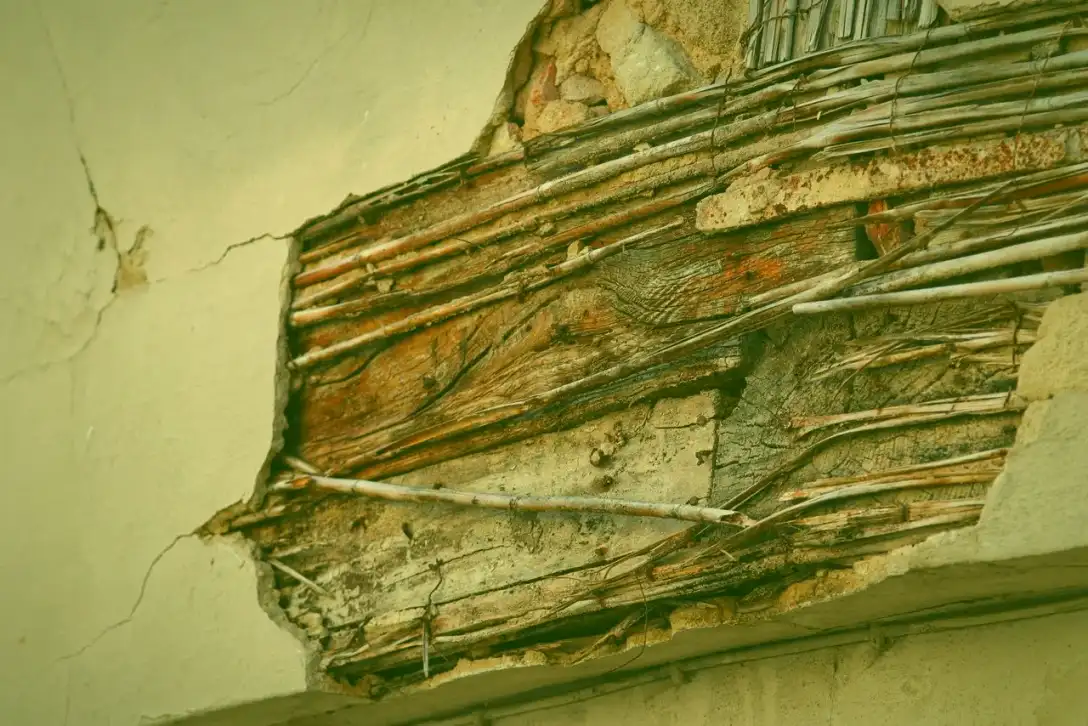
An inspection looks for mud tubes, discarded wings, damaged wood and frass before any treatment is chosen. Not sure the signs are termites at all? Begin with an inspection. For a home sale, ask whether the provider issues the FDACS WDO report. The findings shape the plan.
View service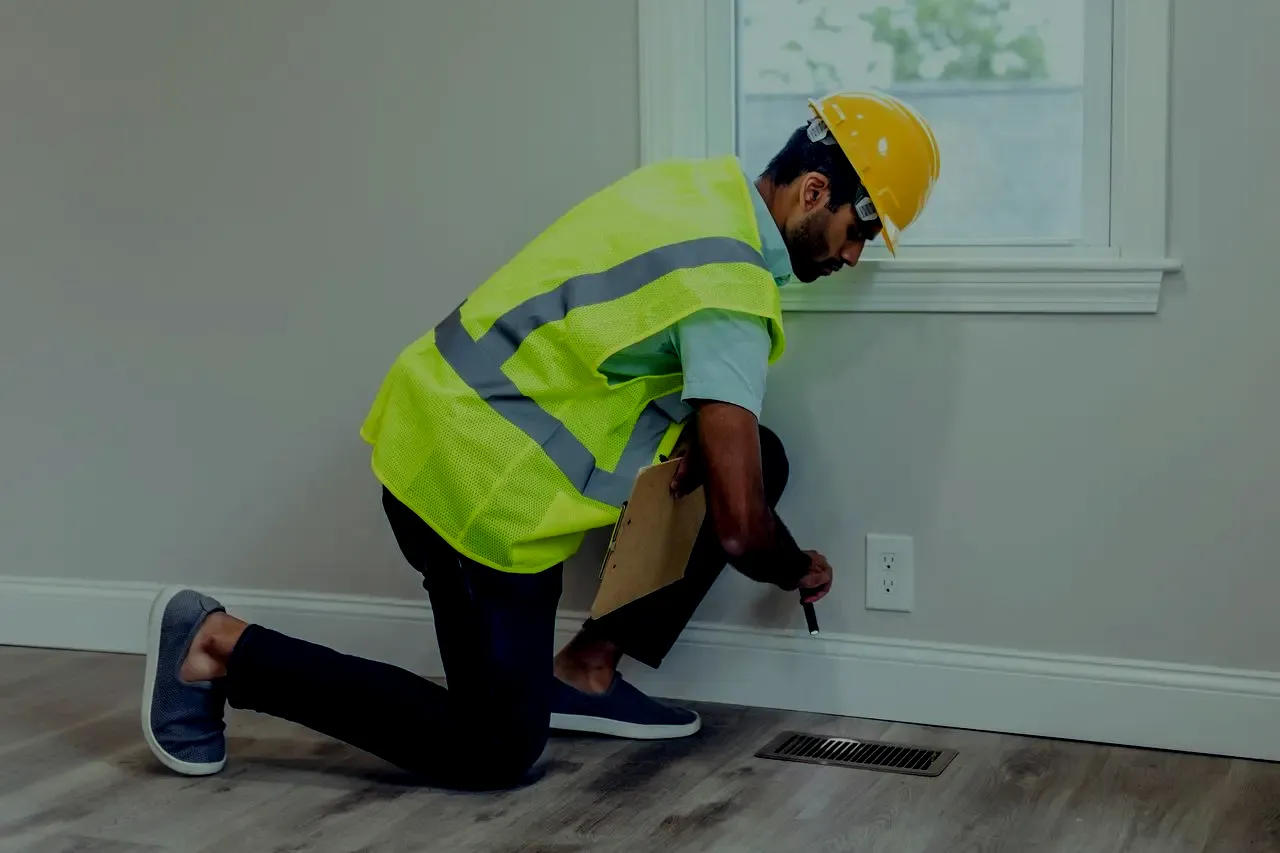
Drywood termites form small colonies inside a single piece of wood and need no soil contact. In Florida, West Indian drywood termites fly mainly in May and June. Providers talk through localized options; whole-structure fumigation (tenting) is outside this site's scope.
View service
Subterranean termites, including native Reticulitermes species and the Formosan subterranean termite in Florida, build large underground colonies that need soil and moisture. Providers commonly use a liquid soil treatment around the foundation, a bait system or both, followed by scheduled inspections. Ask which fits your home.
View service
Rental property treatment covers rented houses, duplexes, condos and larger buildings, where termites under a shared slab can reach more than one unit. Tenants report signs to the owner or property manager, who arranges access. With 20.3 percent of Palm Bay's occupied homes rented, a tenant's written report is often the first step.
View serviceDial the number shown here and a call-tracking service, which may record the conversation, hands you to an independent provider that covers Palm Bay. Calls are connected 7 a.m. to 1 a.m. Eastern Time (8 a.m. to 2 a.m. during daylight saving time). Inspection timing and cost are settled with that provider.